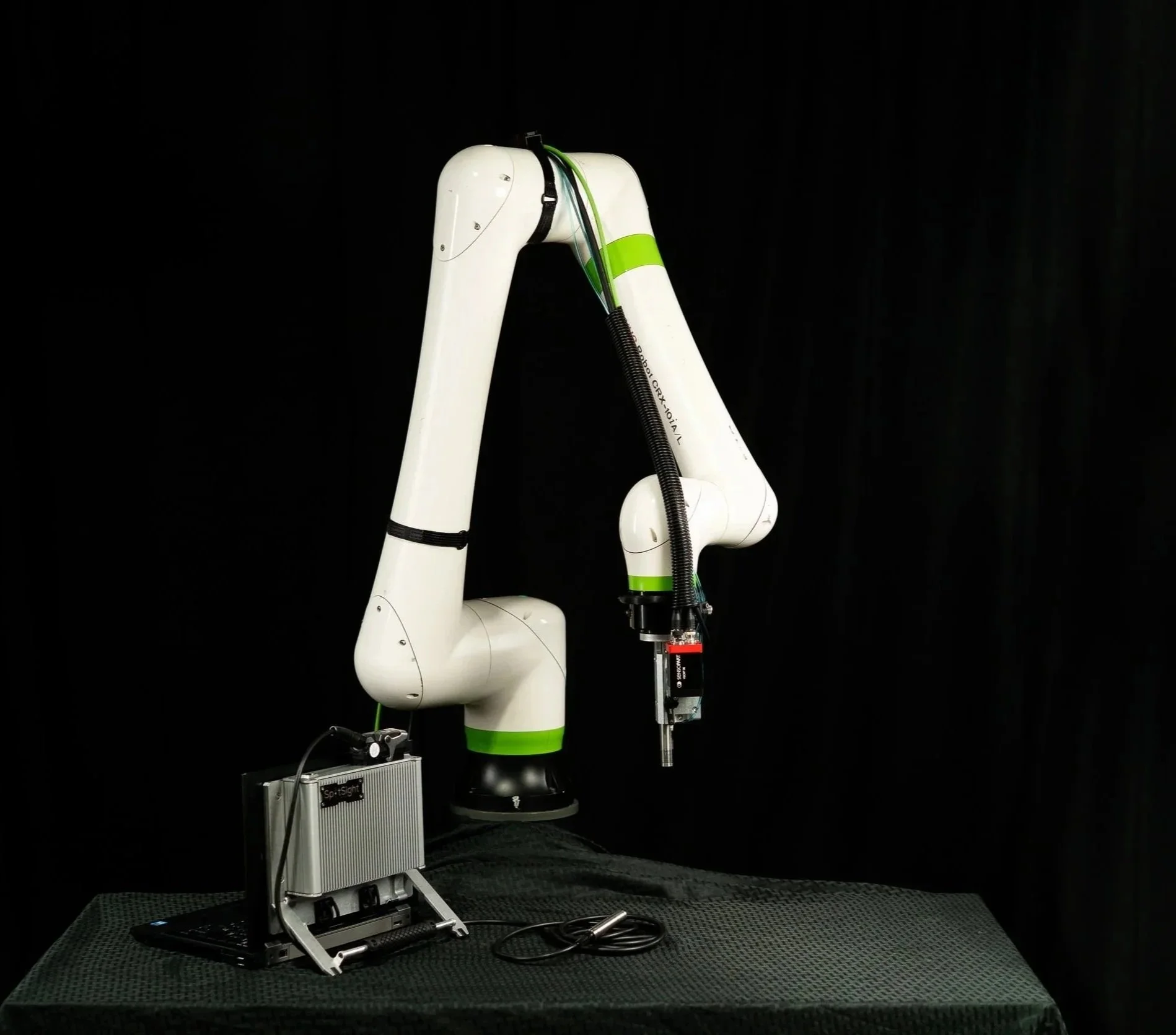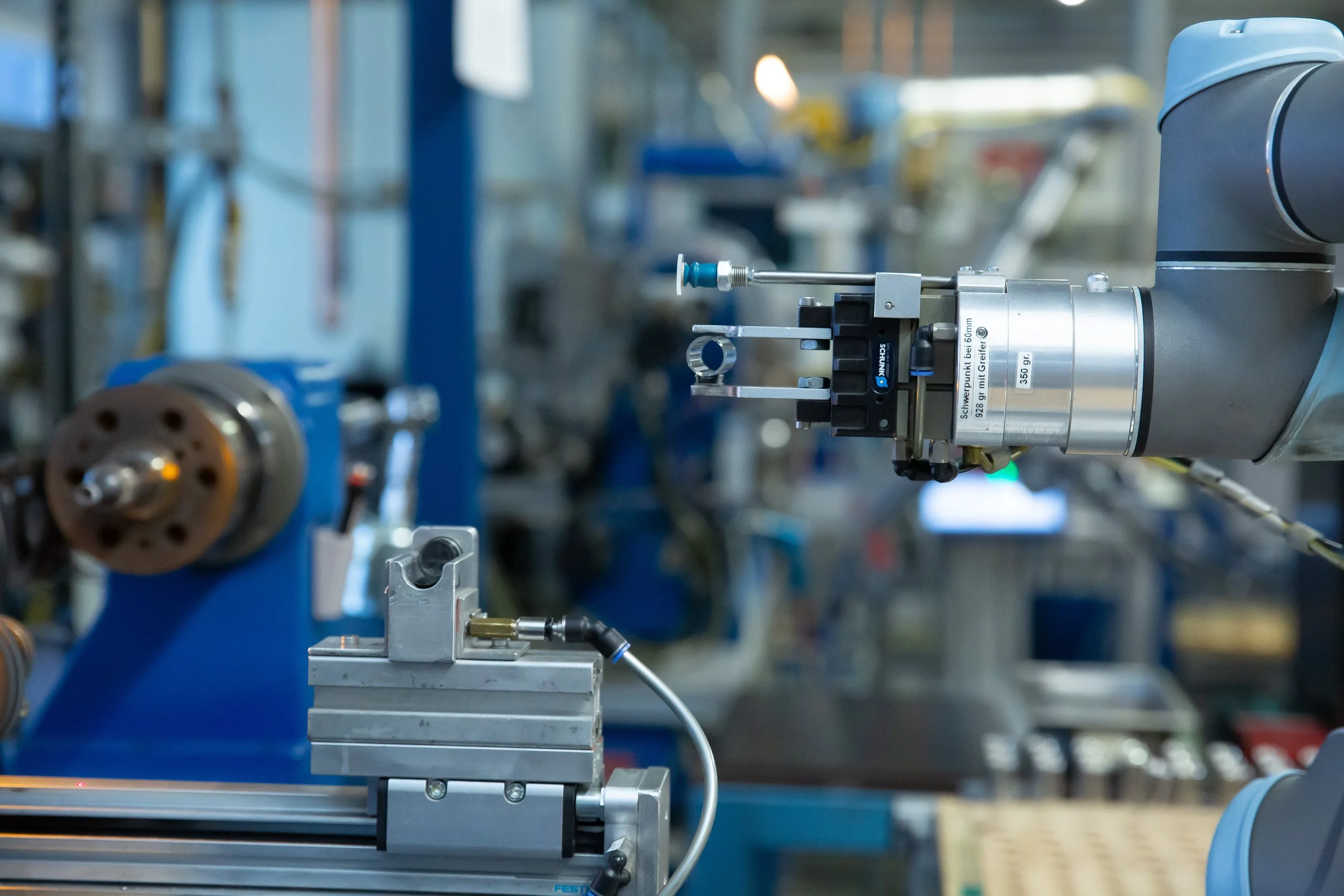
AI VISION & INTELLIGENT INSPECTION
Capability at a Glance //
Quality remains one of the most important drivers of manufacturing performance. As production volumes increase and product requirements become more complex, traditional inspection methods often struggle to keep pace. Manual inspection processes can be inconsistent, labor-intensive, and difficult to scale, creating challenges for manufacturers seeking to improve quality while maintaining throughput.
Better Process helps manufacturers implement AI-powered vision and intelligent inspection solutions that automate quality verification, improve process visibility, and support data-driven decision making. By combining machine vision, artificial intelligence, automation, and manufacturing expertise, organizations can identify defects earlier, improve traceability, reduce waste, and create more consistent production outcomes.
Whether the goal is automated defect detection, product verification, measurement, barcode validation, or vision-guided automation, these solutions are designed to integrate into existing operations while supporting measurable business improvements.

CORE Service Areas //
AI-Powered Defect Detection
Identify scratches, cracks, dents, contamination, cosmetic defects, missing components, assembly errors, and process anomalies through intelligent inspection technologies.
Automated Inspection & Measurement
Perform dimensional inspection, tolerance verification, geometric analysis, and metrology functions with repeatable accuracy and consistency.
OCR & Barcode Verification
Validate labels, serial numbers, lot
codes, date codes, barcodes, and QR codes throughout production and packaging operations.
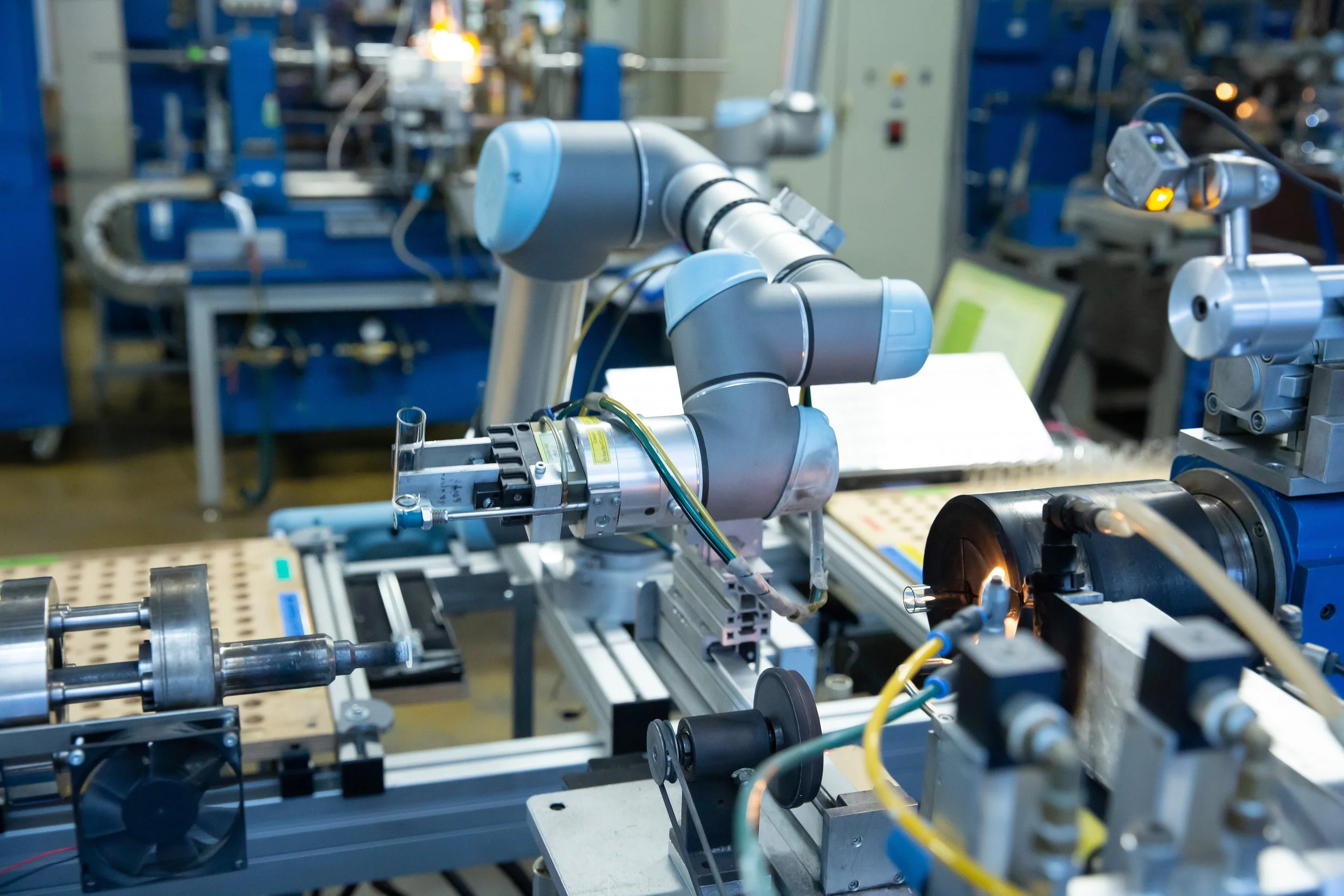
Vision-Guided Robotics
Provide robots with real-time
visual feedback to locate, orient,
identify, and manipulate products
and components.
Traceability & Analytics
Capture inspection data, production records, and quality metrics that
support compliance, reporting, and
root cause analysis.
✔ Manual inspection bottlenecks
✔ Inconsistent inspection results
✔ Quality escapes
✔ Excessive scrap and rework
✔ Traceability requirements
✔ Labor-intensive quality processes
✔ Limited production visibility
✔ Difficulty identifying process variation

Manufacturing Challenges
Commonly Addressed
Common Applications
✔ Surface defect detection
✔ Cosmetic inspection
✔ Assembly verification
✔ Packaging inspection
✔ Product verification
✔ Barcode validation
✔ OCR verification
✔ Automated sorting
✔ Measurement and metrology
✔ Traceability systems
✔ Vision-guided automation
Operational Benefits
✔ Improved product quality
✔ Reduced scrap and rework
✔ Increased first-pass yield
✔ Enhanced traceability
✔ Lower inspection costs
✔ Improved production visibility
✔ Faster root cause analysis
✔ Greater consistency across operations
CLARITY BACKED BY EXPERTISE //
-
Automated vision inspection makes sense when manual quality inspections are inconsistent, time-consuming, or unable to keep up with production demands. Better Process implements AI vision systems that help manufacturers identify defects, improve inspection consistency, and reduce quality-related costs.
-
DAI vision inspection systems can identify manufacturing defects such as scratches, dents, cracks, discoloration, missing components, and assembly errors. Better Process designs intelligent inspection solutions around your specific products, quality standards, and inspection requirements.
-
Gauge Repeatability and Reproducibility (Gauge R&R) is a measurement system analysis that evaluates how consistently and reliably an inspection system produces results. Better Process uses Gauge R&R studies to help manufacturers validate inspection performance and make informed quality control decisions.
-
Traditional machine vision typically relies on predefined rules and programmed criteria to identify defects, while AI vision can learn patterns from training images to recognize more complex variations. AI-powered inspection is especially useful for identifying irregular or unpredictable defects that are difficult to detect with conventional rule-based systems.
-
Yes, automated vision inspection systems can often integrate with existing manufacturing equipment, PLCs, robotics, and production controls. Better Process designs vision solutions that work within your current operation to improve quality inspection without requiring an entirely new production line.
Get in Touch //