Robotics & Automation
Capability at a Glance //
Manufacturers continue to face increasing production demands, workforce challenges, and pressure to improve operational efficiency. Robotics and automation technologies provide scalable solutions that improve throughput, reduce repetitive manual work, increase consistency, and support long-term growth.
Better Process designs and implements robotic and automation solutions that align with real-world manufacturing requirements. Whether the objective is machine tending, material handling, packaging automation, palletizing, or complete production cell automation, solutions are developed to support measurable operational improvements while maintaining flexibility for future growth.
Robotics and automation initiatives often serve as a foundation for improving productivity, reducing operational constraints, and creating more efficient manufacturing environments.

CORE Service Areas //
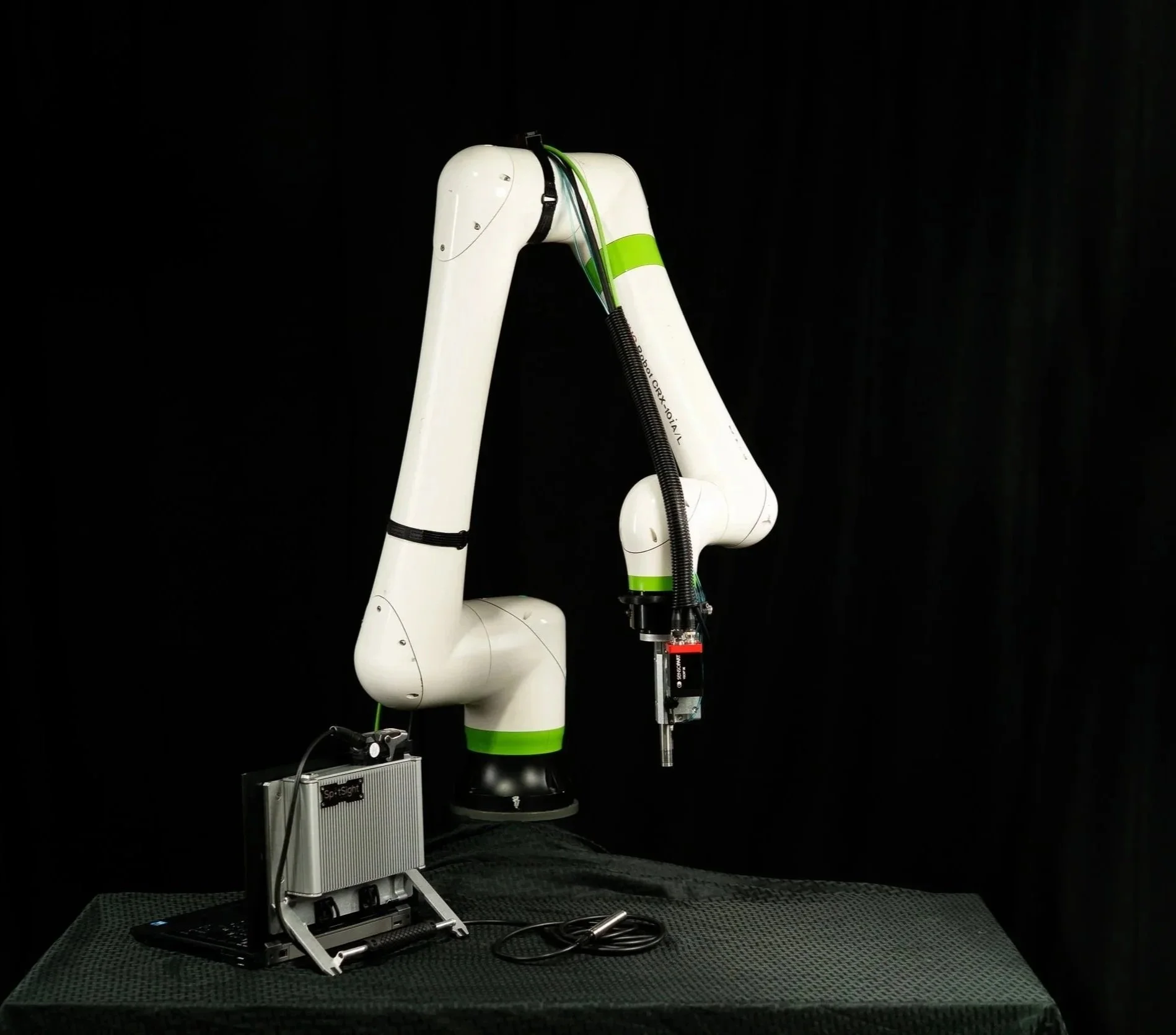
Collaborative Robots (Cobots)
Flexible automation solutions designed to work alongside operators while supporting repetitive manufacturing tasks.
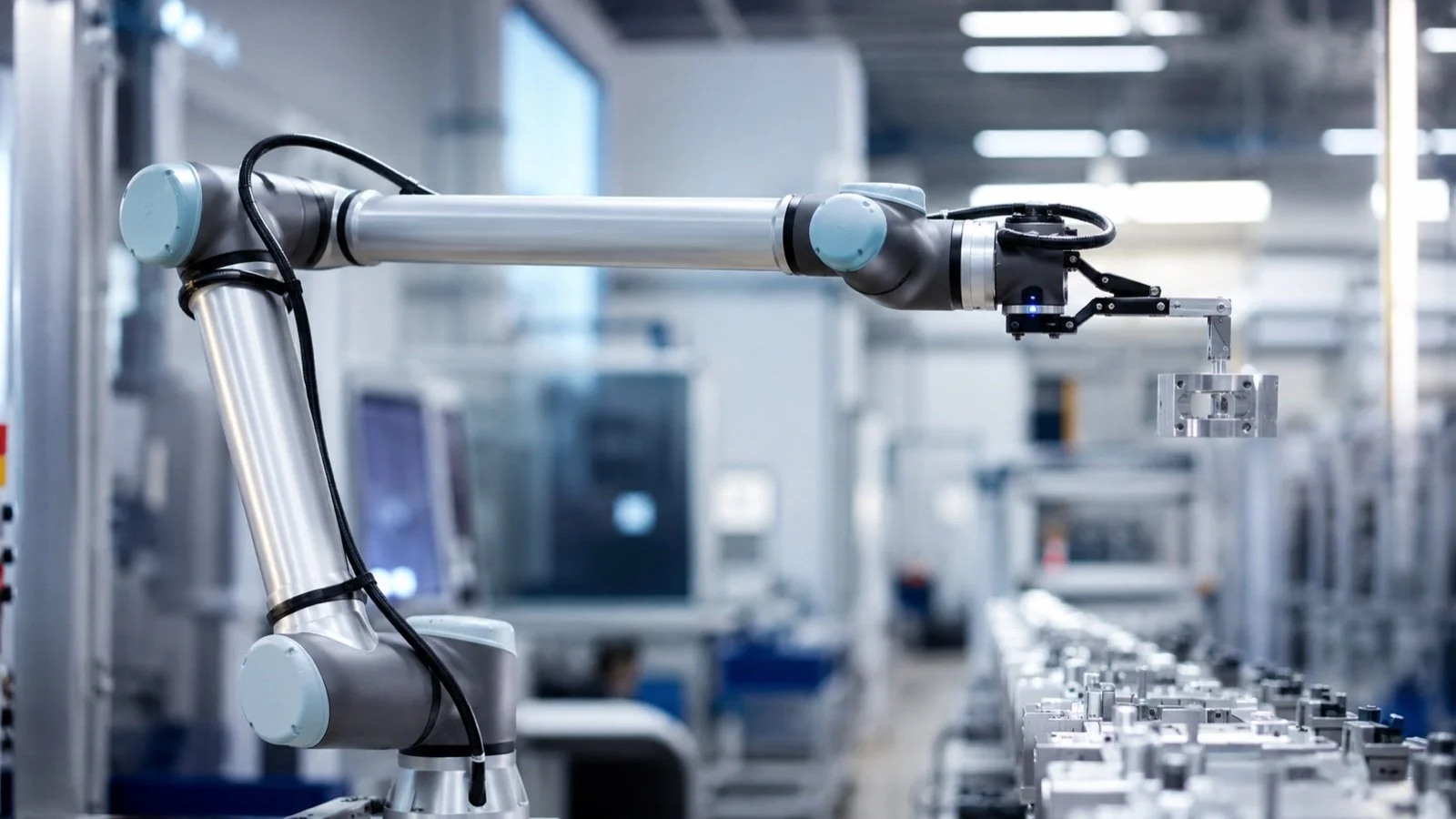
Industrial Robotics
High-performance robotic systems developed for demanding production environments and high-volume manufacturing operations.
Machine Tending
Automated loading and unloading solutions for CNC equipment, presses, molding machines, and other production assets.
Material Handling
Automated movement, transfer, sorting, and routing of products and materials throughout manufacturing processes.
Packaging & Palletizing
End-of-line automation systems including case packing, palletizing, depalletizing, and packaging operations.
Custom Automation
Purpose-built systems integrating robotics, controls, vision technologies, and mechanical automation.
✔ Labor shortages
✔ Production bottlenecks
✔ Repetitive manual tasks
✔ Workplace safety concerns
✔ Throughput limitations
✔ Inconsistent production output
✔ Scalability challenges
✔ Workforce availability constraints

Manufacturing Challenges
Commonly Addressed
✔ CNC machine tending
✔ Injection molding tending
✔ Pick-and-place operations
✔ Packaging automation
✔ Palletizing and depalletizing
✔ Material transfer
✔ Assembly automation
✔ End-of-line automation
✔ Vision-guided robotics
✔ Product handling systems
Common Applications
Operational Benefits
✔ Increased production capacity
✔ Improved process consistency
✔ Enhanced workplace safety
✔ Reduced labor dependency
✔ Greater operational flexibility
✔ Improved equipment utilization
✔ Increased throughput
✔ Scalability for future growth
CLARITY BACKED BY EXPERTISE //
-
Start with processes that are repetitive, labor-intensive, prone to errors, or creating production bottlenecks. Better Process helps manufacturers evaluate these opportunities to identify which automation projects will deliver the greatest return on investment.
-
A good candidate for manufacturing automation is a repeatable, well-defined process that requires significant manual labor or limits production efficiency. Better Process evaluates factors like production volume, cycle time, process consistency, and potential cost savings to determine if automation makes sense.
-
Collaborative robots, or cobots, are often ideal for flexible applications, while traditional industrial robots are better suited for higher speeds, heavier payloads, and demanding production environments. Better Process helps manufacturers select the right robotic solution based on their application, safety requirements, and production goals.
-
The cost of a custom manufacturing automation system depends on its complexity, equipment requirements, programming, and integration needs. Better Process designs automation solutions around your production goals and budget while prioritizing measurable ROI.
-
Automation ROI is calculated by comparing the total investment against savings from reduced labor requirements, increased production, improved quality, and lower operating costs. Better Process helps manufacturers evaluate these factors to determine projected payback periods and long-term financial benefits.
-
Yes, high-mix, low-volume manufacturing can benefit from flexible automation systems designed to accommodate frequent product changes. Cobots, programmable robotics, and adaptable tooling can help manufacturers improve efficiency without sacrificing production flexibility.
Get in Touch //